

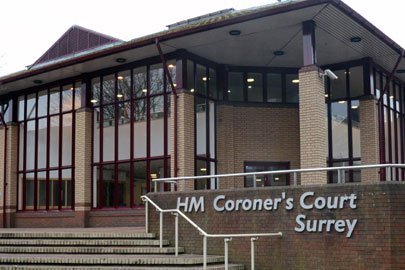

This describes who coroners are, what they do, the legal powers under which they operate, the how they go about meeting their objectives.
This is designed to be a guide to the work of Coroners and is not definitive.
IF THE DEATH IS NOT DUE TO A NATURAL CAUSE?
WHAT IS THE PURPOSE OF AN INQUEST?
WILL THE INQUEST DECIDE WHO IS TO BLAME?
WHAT HAPPENS IF SOMEBODY HAS BEEN CHARGED WITH CAUSING THE DEATH?
WHAT ABOUT OTHER COURT PROCEEDINGS?
IS THERE ALWAYS A JURY AT THE INQUEST?
WHO DECIDES WHICH WITNESS TO CALL?
WHO CAN ASK A WITNESS QUESTIONS?
WHAT ARE THE POSSIBLE VERDICTS?
WILL THE INQUEST BE REPORTED IN THE PAPERS?
CAN THE FUNERAL BE HELD BEFORE THE INQUEST IS FINISHED?
CAN A DEATH CERTIFICATE BE GIVEN BEFORE THE INQUEST IS FINISHED?
IS THE CORONER CONCERNED WITH ORGAN TRANSPLANTS?
CAN A REPORT OF THE INQUEST BE OBTAINED?
DOES THE CORONER HAVE ANY OTHER FUNCTIONS IN RELATION TO A DEATH?
WHERE CAN I GET MORE INFORMATION ABOUT THE CORONER'S PROCEEDINGS?
ARE ALL
DEATHS REPORTED TO THE CORONER?
WHEN IS
A DEATH REPORTED TO THE CORONER?
5. Deaths are usually reported to the coroner by the police or by a doctor called to the death if it is sudden. But a doctor will also report a patient's death if unexpected. In other cases, the local registrar of deaths may make the report.
6. Whenever the death has been reported to the coroner the registrar must wait for the coroner to finish his or her enquiries before the death can be registered. These enquiries may take time, so it is always best to contact the coroner's office before any funeral arrangements are made.WHAT WILL
THE CORONER DO WHEN A DEATH IS REPORTED?
7. The coroner may decide that death was quite natural and that there is a doctor who can sign a form saying so . In this case the coroner will advise the registrar.
8. The coroner may ask a pathologist to examine the body. If so, the examination must be done as soon as possible. The coroner or his staff will, unless it is impracticable or cause undue delay, give notice of the arrangement to, amongst others, the usual doctor of the deceased, and any relative who may have notified the coroner of his or her wish to be medically represented at the examination. If the examination shows death to have been a natural one, there may be no need for an inquest and the coroner will send a form to the registrar of deaths so that the death can be registered by the relatives and a certificate of burial issued by the registrar. If the person is to be cremated, the certificate may be signed by the coroner.IF THE
DEATH IS NOT DUE TO A NATURAL CAUSE?
9. The coroner will hold an inquest.
WHAT IS
THE PURPOSE OF AN INQUEST?
10. The inquest is a limited fact-finding inquiry to establish the answers to
An inquest is usually opened to record that a death has occurred to identify the dead person and to issue the documents required for the burial or cremation. It will then be adjourned until any police enquiries and coroner's investigations are completed. The full inquest can then be resumed.
WILL THE
INQUEST DECIDE WHO IS TO BLAME?
11. No. An inquest is not a trial. It is an inquiry into the facts surrounding a death. It is not the job of the coroner to blame anyone for the death, as a trial would do, and there are no speeches. However, the Coroner does have the power to investigate not just the main cause of death, but also "any acts or omissions which directly led to the cause of death".
WHAT HAPPENS
IF SOMEBODY HAS BEEN CHARGED WITH CAUSING THE DEATH?
12. Where a person has been charged with murder or manslaughter, 'child destruction' (killing a foetus after 28 weeks), infanticide, causing death by reckless driving or taking part in another person's suicide, the inquest is postponed until the person's trial is over. Before adjourning, the coroner finds out who the deceased was and how he or she died.
After the criminal proceedings, the coroner may restart the inquest. If the coroner decides not to hold an inquest, the Registrar of Deaths is given a certificate with the result of the criminal proceedings, so that they can register the death.
WHAT ABOUT
OTHER COURT PROCEEDINGS?
13. Any other court proceedings will normally follow the inquest. When all the facts about the cause of death are known, then a person may be brought before another court, or a claim for damages made. The inquest may be of help to the family of the deceased in finding out what happened. The information obtained may also help to avoid similar accidents in future.
IS THERE
ALWAYS A JURY AT THE INQUEST?
14. No, most inquests are held without a jury. A jury is needed if;
WHO DECIDES
WHICH WITNESSES TO CALL?
15. The coroner decides who to ask and the order in which they give evidence. Anyone who wants to give evidence can come forward at an inquest without being summonsed by the coroner, but the evidence must be relevant to the inquest... A person who wants to give evidence should contact the coroner as soon as possible after the death.
16. Yes. The evidence of a witness may be vital in preventing injustice, and they may have to pay a penalty if they do not attend. A witness will normally receive a formal summons to attend the inquest. A witness who does not attend when they are summonsed may be fined. Repeated failure to attend may result in imprisonment. In certain circumstances, a signed statement or other document may be given in evidence.
The person or people suspected of causing a death if required to give evidence at the inquest will be protected against answering any question which may tend to incriminate him.
All evidence is given under oath.
WHO CAN
ASK A WITNESS QUESTIONS?
17. Anyone who has "a proper interest" may question a witness at the inquest. They may be represented by lawyers or, if they prefer, ask questions themselves. The questions must be sensible and relevant. This is something the coroner will decide. There are no speeches.
18. "Properly interested people" would normally include
Sometimes the inquest will show that something needs to be done to prevent a recurrence. The coroner can draw attention to this publicly and will write to someone in authority about it, for example the council or a government department
20. Legal aid is not normally available to cover representation at the inquest. However, legal advice under the "Green Form" scheme may be obtained by those whose means are within the qualifying limits.
WILL THE
INQUEST BE REPORTED IN THE PAPERS?
21. All inquests must be held in public and the press can be present. The coroner knows that every death is a personal tragedy and tries to treat each one sympathetically. The inquest's aim is to get at the truth, and it can often help to stop the spread of untrue stories about the death. Suicide notes and personal letters will not be read out unless they have to be, but although every attempt is made to avoid any upset to people's private lives, sometimes, in the interests of justice, it may be unavoidable.
CAN THE
FUNERAL BE HELD BEFORE THE INQUEST IS FINISHED?
22. Yes, the funeral can take place before the inquest. However, delays can arise if someone has been charged with an offence of causing the death.
CAN A
DEATH CERTIFICATE BE GIVEN BEFORE THE INQUEST IS FINISHED?
23. Not normally. However, when the inquest has been adjourned after someone has been charged with causing the death, a certificate can be issued. The coroner may provide an interim certificate of the fact of death so as to assist the personal representatives in looking after the estate.
IS THE
CORONER CONCERNED WITH ORGAN TRANSPLANTS?
24. If the death has been referred to the coroner, the coroner must be asked to agree to the removal of the organ, since the removal could affect some important evidence. Decisions can usually be made quickly.
CAN A REPORT OF THE INQUEST BE OBTAINED?
25. When the inquest has been completed a person who has a proper interest in the inquiry may apply to see the notes written by the coroner during or after the inquest, or may have a copy of the notes on payment of a fee. In some cases there may be a tape-recording, or transcript, of the hearing.
DOES THE CORONER HAVE ANY OTHER FUNCTIONS IN RELATION TO A DEATH?
26. The coroner must be notified in every case when a body is to be taken out of England and Wales (whether or not there has been an inquest), and four clear days are allowed for his or her reply, unless written permission is obtained sooner. There is no fee for this. When a body has been brought into England and Wales from another country the coroner may be able to give some help in finding the cause of death and may be required to hold an inquest.
WHERE CAN I GET MORE INFORMATION ABOUT THE CORONER'S PROCEEDINGS
27. From the local coroner's office. This is usually listed in the telephone directory. Alternatively, the local police or the Citizen's Advice Bureau will be able to say where the office is situated.
